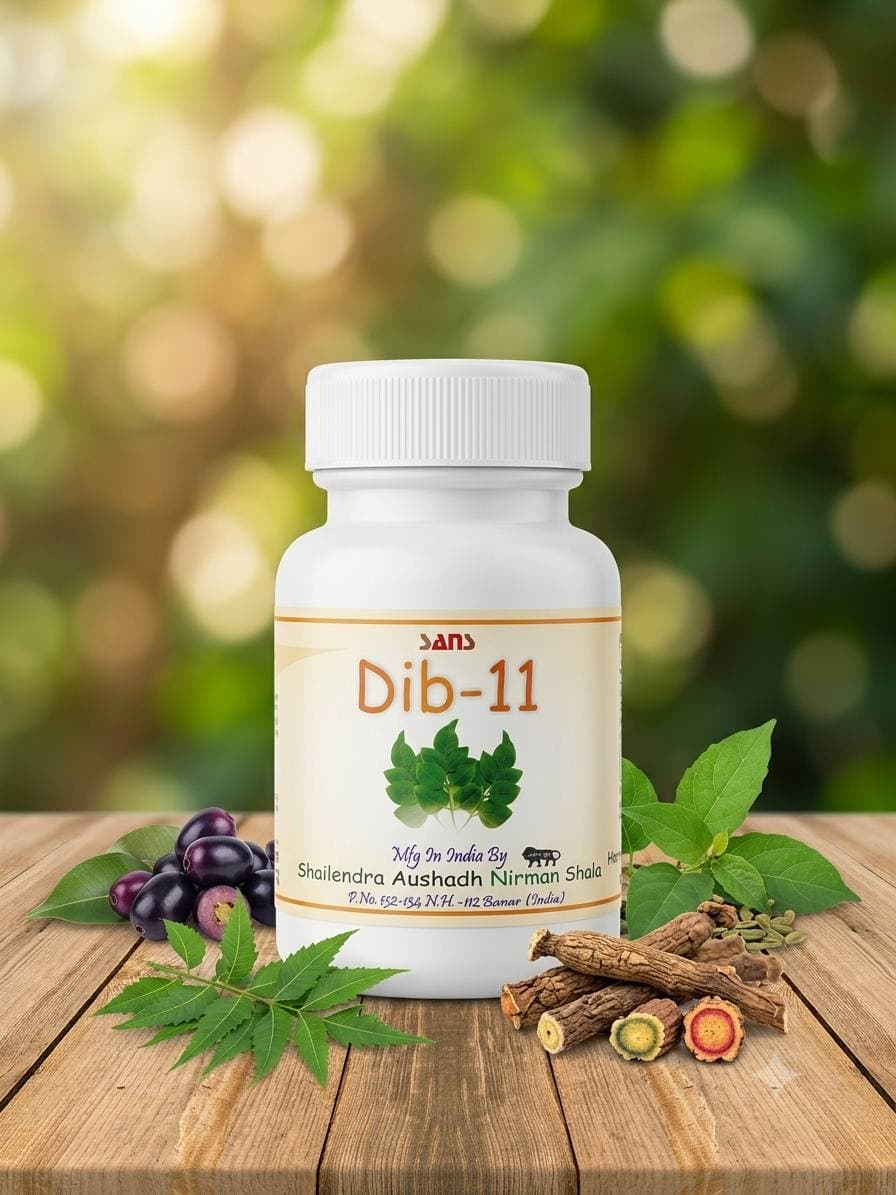
Dib-11
A Herbal Diabetic Capsule
Capsules
Endocrine System
₹216₹24010% OFF
Pack Size
Qty
In Stock1
Dib-11
₹216
Third-party testedRegularly certified & audited
GMP-certified facilityManufactured under audit
Free shippingOn orders ₹499+
Check Delivery
Enter your pincode to check if delivery is available to your area.
Most Comprehensive Natural Solution for Diabetes
Adjuvant therapy to oral hypoglycemia and insulin therapy. Combination of Dib-11 is ideal to control the insulin level of the body
- Regulate the insulin secretions in pancreas.
- Improve glucose absorption in the cells to use it for energy.
- Reduce the sugar levels in blood and urine.
- Help to purify blood and prevent cardio vascular diseases.
- Improve immunity against diseases
Full Transparency
What is inside — and why
Every ingredient listed. Nothing hidden.
Ingredient Ledger
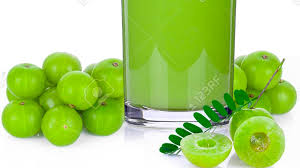 Ingredient 1: Phyllanthus emblica / Amla fruit
Phyllanthus emblica / Amla fruit
boost immunity, improve skin and hair health, aid digestion, and support heart function
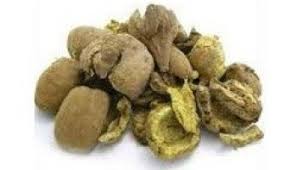 Ingredient 2: Terminalia bellerica / Baheda Fruit
Terminalia bellerica / Baheda Fruit
spanning digestive, respiratory, and dermatological applications
Terminalia bellirica, known as bahera, beleric or bastard myrobalan, is a large deciduous tree in the family Combretaceae. It is common on the plains and lower hills in South and Southeast Asia, where it is also grown as an avenue tree. The basionym is Myrobalanus bellirica Gaertn.. William Roxburgh transferred M. bellirica to Terminalia as "T. bellerica (Gaertn.) Roxb.". This spelling error is now widely used, causing confusion. The correct name is Terminalia bellirica (Gaertn.) Roxb.
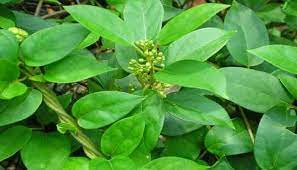 Ingredient 3: Gymnema sylvestre / Gudmar
Gymnema sylvestre / Gudmar
Blood Sugar Control, Sugar Craving Suppression, Cholesterol Management, Weight Management, Digestion & Liver Health
Gymnema sylvestre is a perennial woody vine native to Asia, Africa and Australia. It has been used in Ayurvedic medicine. Common names include gymnema, Australian cowplant, and Periploca of the woods, and the Hindi term gurmar Tamil(சிறுகுறிஞ்சான்) Sirukurunjan, which means "sugar destroyer"
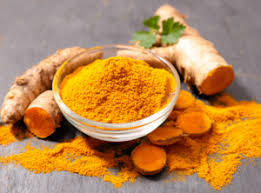 Ingredient 4: Curcuma longa / Haldi
Curcuma longa / Haldi
potent anti-inflammatory and antioxidant, boost immunity, soothe skin issues, reduce joint pain
Turmeric, or Curcuma longa, is a flowering plant in the ginger family Zingiberaceae. It is a perennial, rhizomatous, herbaceous plant native to the Indian subcontinent and Southeast Asia that requires temperatures between 20 and 30 °C and high annual rainfall to thrive. Plants are gathered each year for their rhizomes, some for propagation in the following season and some for consumption or dyeing.
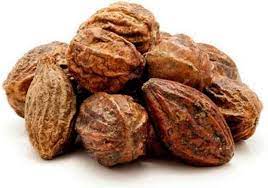 Ingredient 5: Terminalia chebula / Harde
Terminalia chebula / Harde
digestive, detoxifying, and rejuvenating properties, Respiratory Health
Terminalia chebula, commonly known as black- or chebulic myrobalan, is a species of Terminalia, native to South Asia from India, Pakistan and Nepal east to southwest China (Yunnan), and south to Sri Lanka, Malaysia, and Vietnam.
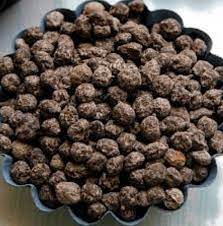 Ingredient 6: Capparis decidua / Kair
Capparis decidua / Kair
Digestive Aid,Aches & Swelling, coughs, asthma, and rheumatism
Capparis decidua, commonly known as karira/kair, or karil is a useful plant in its marginal habitat.
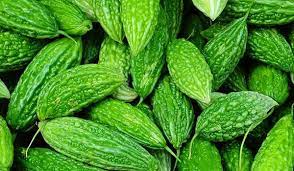 Ingredient 7: Momordica charantia / Karela
Momordica charantia / Karela
regulate blood sugar levels, boost immunity, aid in weight loss, and promote clear skin
Momordica charantia is a tropical and subtropical vine of the family Cucurbitaceae, widely grown in Asia, Africa, and the Caribbean for its edible fruit. Its many varieties differ substantially in the shape and bitterness of the fruit.
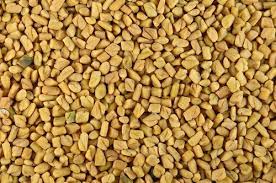 Ingredient 8: Trigonella foenum-graecum / Methi
Trigonella foenum-graecum / Methi
regulate blood sugar, lower cholesterol, boost breast milk production in lactating mothers, and soothe digestive issues
Fenugreek is an annual plant in the family Fabaceae, with leaves consisting of three small obovate to oblong leaflets. It is cultivated worldwide as a semiarid crop. Its leaves and seeds are common ingredients in dishes from the Indian subcontinent, and have been used as a culinary ingredient since ancient times. Its use as a food ingredient in small quantities is safe.
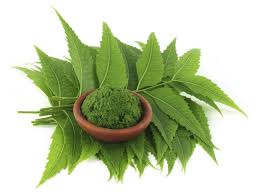 Ingredient 9: Azadirachta indica / Neem
Azadirachta indica / Neem
antimicrobial, anti-inflammatory, and antidiabetic properties
Azadirachta indica, commonly known as neem, margosa, nimtree or Indian lilac, is a tree in the mahogany family Meliaceae. It is one of the two species in the genus Azadirachta. It is native to the Indian subcontinent and to parts of Southeast Asia, but is naturalized and grown around the world in tropical and subtropical areas. Its fruits and seeds are the source of neem oil. Nim is a Hindustani noun derived from Sanskrit nimba (निंब).
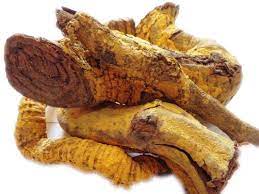 Ingredient 10: Salacia oblonga / Saptrangi
Salacia oblonga / Saptrangi
managing diabetes, aiding in weight loss, supporting liver health, and reducing inflammation.
Salacia oblonga, known as oblong leaf salacia in English, ekanayaka in Kannada, ponkorandi in Malayalam, ponkoranti in Tamil, and ekanayake in Tulu, is a climbing shrub that tends to strangle other plants. It is native to India and Sri Lanka.
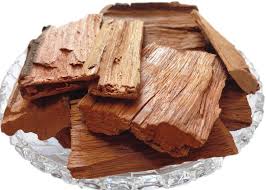 Ingredient 11: Pterocarpus marsupium / Vijaysar
Pterocarpus marsupium / Vijaysar
manage blood sugar levels, support weight loss, and improve digestion.
Pterocarpus marsupium, also known as Malabar kino or Indian kino, is a medium-to-large, deciduous tree that can grow up to 31 m (102 ft) tall. It is native to India, Nepal, and Sri Lanka.
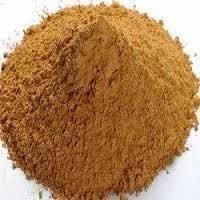 Ingredient 12: Tribang Bhasma
Tribang Bhasma
Male & Female Reproductive Health: Acts as an aphrodisiac to support men's vitality. It also provides uterine strength and is used to regulate ovulation and manage leucorrhoea. Urinary Tract Wellness: Relieves painful urination, recurrent UTIs, and urinary incontinence.Blood Sugar Management: Stimulates the pancreas to support insulin production and carbohydrate metabolism.
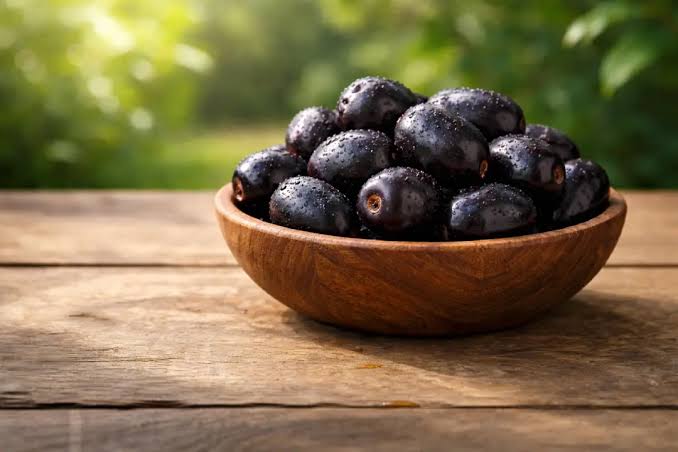 Ingredient 13: Syzygium cumini / Jamun
Syzygium cumini / Jamun
It is primarily used to naturally regulate blood sugar, support digestive health, purify the blood, and combat oxidative stress with its high antioxidant conten, Jamun helps flush out toxins from the kidneys and reduces issues like burning urination.
Syzygium cumini, also known as Java plum, Malabar plum, jambolan, black plum, jamun, jambul, is an evergreen tropical tree in the flowering plant family Myrtaceae, and favored for its fruit, timber, and ornamental value. It is native to the Indian subcontinent and Southeast Asia. It can reach heights of up to 30 m (100 ft) and can live more than 100 years. A rapidly growing plant, it is considered an invasive species in many world regions.
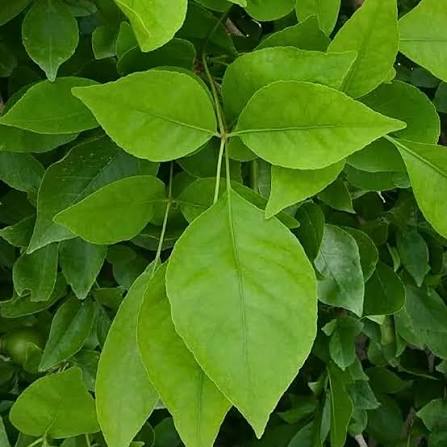 Ingredient 14: Aegle marmelos / Bilwa Patra
Aegle marmelos / Bilwa Patra
treating digestive issues like diarrhea, IBS, and constipation, balancing blood sugar, and reducing inflammation. Used in Blood Sugar Management, Pain & Inflammation, Antimicrobial Benefits & Digestive Relief
Aegle marmelos, commonly known as bael, also Bengal quince, golden apple, Japanese bitter orange, stone apple or wood apple, is a species of tree native to the Indian subcontinent and Southeast Asia. It is present in India, Pakistan, Bangladesh, Sri Lanka, and Nepal as a naturalized species. The tree is considered to be sacred by Hindus and Buddhists. Bael is the only member of the monotypic genus Aegle.