


Kaso Plus
A Herbal Cough & Cold Syrup
Syrup
Respiratory System
₹89₹945% OFF
Pack Size
Qty
In Stock1
Kaso Plus
₹89
Third-party testedRegularly certified & audited
GMP-certified facilityManufactured under audit
Free shippingOn orders ₹499+
Check Delivery
Enter your pincode to check if delivery is available to your area.
Kaso plus syrup is the combination of mucolytic, antitussive, expectorant and broncho dilator herbs. Kaso plus syrup is very useful to relive cough & cold of any etiology.
- Effectively controls the productive as well as dry cough.
- Dilute bronchioles which lead to easy breathing.
- Make expectoration easy and induces sense of well being.
- Non sedative, well tolerated and safe for all age groups.
Full Transparency
What is inside — and why
Every ingredient listed. Nothing hidden.
Ingredient Ledger
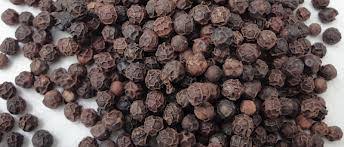 Ingredient 1: Piper nigrum / Kali Mirch
Piper nigrum / Kali Mirch
stimulates digestive enzymes, enhances nutrient absorption (particularly curcumin), and provides powerful anti-inflammatory and antioxidant benefits to support overall wellness
Black pepper is a flowering vine in the family Piperaceae, cultivated for its fruit, which is usually dried and used as a spice and seasoning. The fruit is a drupe (stonefruit) which is about 5 mm in diameter, dark red, and contains a stone which encloses a single pepper seed. Peppercorns and the ground pepper derived from them may be described simply as pepper, or more precisely as black pepper, green pepper, or white pepper.
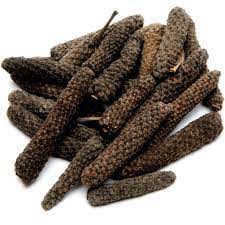 Ingredient 2: Piper
Piper
treat respiratory conditions, improve digestion, and manage pain
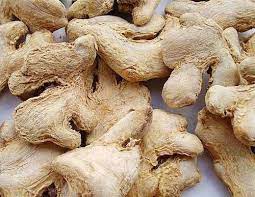 Ingredient 3: Zingiber officinale / Sonth ( dried ginger powder)
Zingiber officinale / Sonth ( dried ginger powder)
soothing digestive issues, relieving cold and cough symptoms, and reducing inflammation
Ginger is a flowering plant whose rhizome, ginger root or ginger, is widely used as a spice and a folk medicine. It is an herbaceous perennial that grows annual pseudostems about one meter tall, bearing narrow leaf blades. The inflorescences bear flowers having pale yellow petals with purple edges, and arise directly from the rhizome on separate shoots.
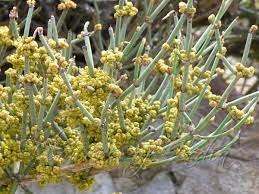 Ingredient 4: Ephedra gerardiana / Somlata
Ephedra gerardiana / Somlata
relieve respiratory issues, boost natural energy levels, and manage blood pressure
Ephedra gerardiana is a species of Ephedra, endemic to the mountains of Afghanistan, Bhutan, northern India, Nepal, Pakistan, Sikkim, Tajikistan, and Tibet. It is a perennial small shrub composed primarily of fibrous stalks, generally about 8 inches though sometimes growing to 24 inches in height, with small, yellow flowers followed by round, red, edible fruits. It is sometimes used as a stimulant, and in Ayurvedic medicine its tea is used as medicine for colds, coughs, bronchitis, asthma, and arthritis.
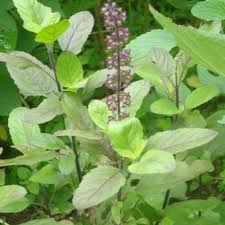 Ingredient 5: Ocimum tenuiflorum / Tulsi
Ocimum tenuiflorum / Tulsi
relieving respiratory issues, reducing stress, supporting immunity, and promoting skin and digestive health
Ocimum tenuiflorum, commonly known as tulasi, tulsi, or holy basil, is an aromatic perennial plant in the family Lamiaceae. It is widely cultivated throughout the Southeast Asian tropics. It is native to tropical and subtropical regions of Asia, Australia and the western Pacific. This plant has escaped from cultivation and has naturalized in many tropical regions of the Americas. It is an agricultural and environmental weed.
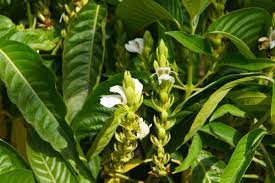 Ingredient 6: Adhatoda vasica / Vasapatra
Adhatoda vasica / Vasapatra
respiratory and anti-inflammatory properties. It is widely used to manage asthma, bronchitis, and chronic coughs
Justicia adhatoda commonly known in English as Malabar nut, adulsa, adhatoda, vasa, vasaka, is native to Asia. Adathoda means 'untouched by goats' in Tamil. The name derives from the fact that animals like goats do not eat this plant due to its extreme bitter taste.
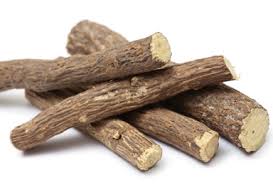 Ingredient 7: Glycyrrhiza glabra / Yashtimadhu
Glycyrrhiza glabra / Yashtimadhu
relieve respiratory distress, heal the digestive tract, soothe sore throats, and enhance skin clarity
Liquorice or licorice is the common name of Glycyrrhiza glabra, a flowering plant of the bean family Fabaceae, from the root of which a sweet, aromatic flavouring is extracted.


