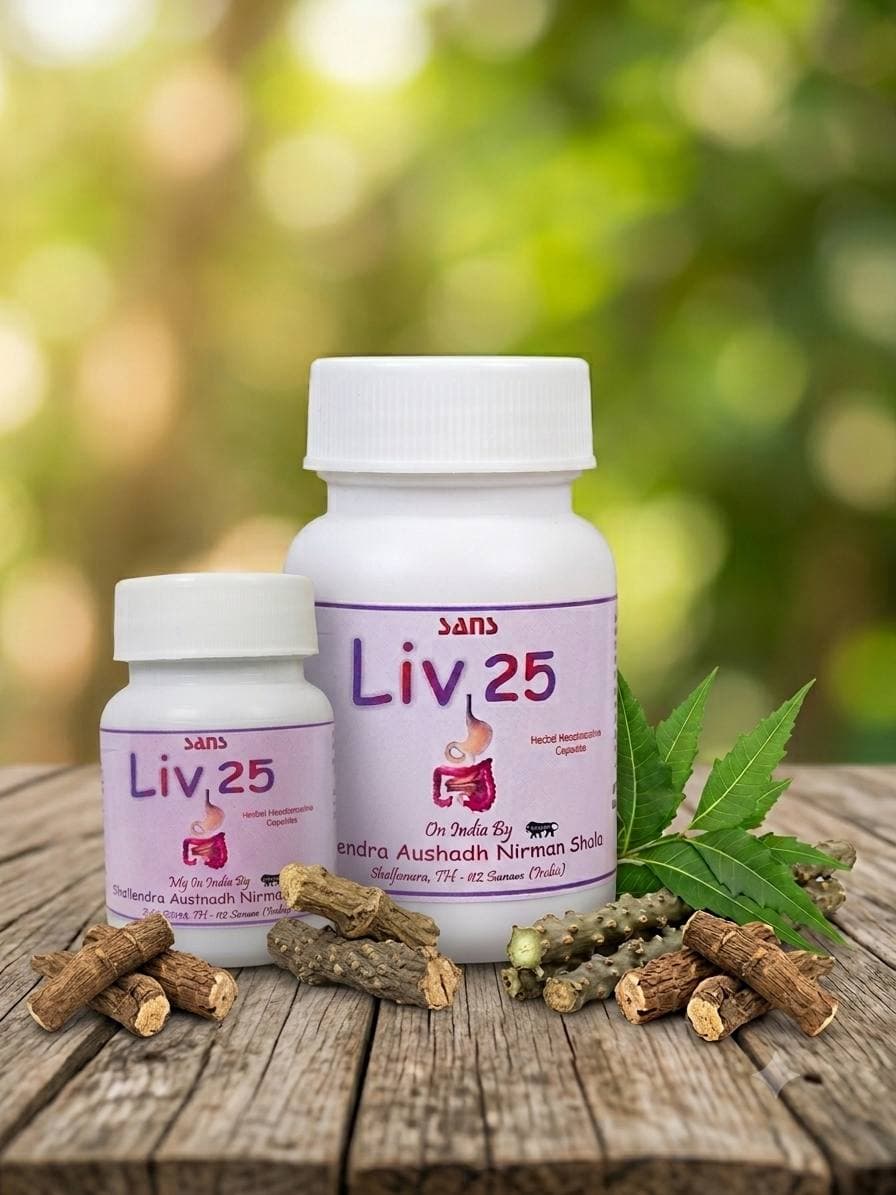
Liv - 25
A Herbal Hepatoprotactive Syrup
Syrup
Digestive System
Gastro Intestinal System
₹99₹11010% OFF
Pack Size
Qty
In Stock1
Liv - 25
₹99
Third-party testedRegularly certified & audited
GMP-certified facilityManufactured under audit
Free shippingOn orders ₹499+
Check Delivery
Enter your pincode to check if delivery is available to your area.
For Healthy & Strong Liver
Liv-25 syrup is the excellent combination of hepato- spleno stimulant, hepato protective and digestive herbs. Liv-25 syrup is very useful for the all type of liver-spleen related disorders.
- As an excellent liver tonic & correct the liver profile and keep the vital organ healthy.
- Improve hepatic circulation and strengthens the liver and improve appetite & digestion.
- Increase serum hemoglobin and serum albumin & reduces serum bilirubin.
- Soften the stool and make the defecation easy & repair of liver cells.
- Liver disorders due to viral & bacterial infection.
Full Transparency
What is inside — and why
Every ingredient listed. Nothing hidden.
Ingredient Ledger
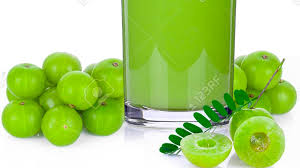 Ingredient 1: Phyllanthus emblica / Amla fruit
Phyllanthus emblica / Amla fruit
boost immunity, improve skin and hair health, aid digestion, and support heart function
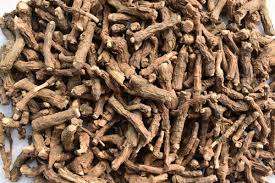 Ingredient 2: Hemidesmus indicus / Anantmool
Hemidesmus indicus / Anantmool
purify the blood, cool the body, and support hormonal and skin health
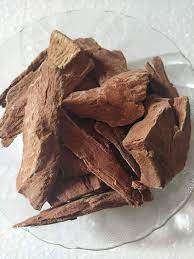 Ingredient 3: Terminalia arjuna / Arjun Chaal
Terminalia arjuna / Arjun Chaal
Strengthens and tones heart muscles, regulates heartbeat, and helps manage chest discomfort or angina. Cholesterol & Blood Pressure, astringent and antibacterial properties , manage asthma and coughs, and aids in protecting liver cells from toxins
Terminalia arjuna is a tree of the genus Terminalia. It is commonly known as arjuna or arjun tree in English. It is used as a traditional medicinal plant.
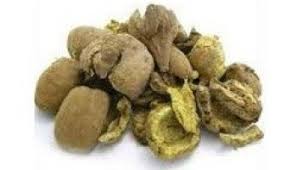 Ingredient 4: Terminalia bellerica / Baheda Fruit
Terminalia bellerica / Baheda Fruit
spanning digestive, respiratory, and dermatological applications
Terminalia bellirica, known as bahera, beleric or bastard myrobalan, is a large deciduous tree in the family Combretaceae. It is common on the plains and lower hills in South and Southeast Asia, where it is also grown as an avenue tree. The basionym is Myrobalanus bellirica Gaertn.. William Roxburgh transferred M. bellirica to Terminalia as "T. bellerica (Gaertn.) Roxb.". This spelling error is now widely used, causing confusion. The correct name is Terminalia bellirica (Gaertn.) Roxb.
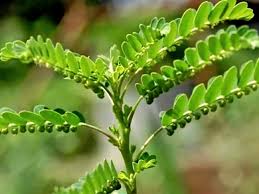 Ingredient 5: Phyllanthus niruri /Bhumi Amla
Phyllanthus niruri /Bhumi Amla
detoxify the liver, prevent kidney stones, manage blood sugar levels, and soothe digestive issues.
Phyllanthus niruri in the genus Phyllanthus of the family Phyllanthaceae is a widespread tropical plant commonly found in coastal areas from Texas southward through Mexico, Central America, and wide regions of South America and India. It has the common name chanca piedra among numerous others in Spanish.
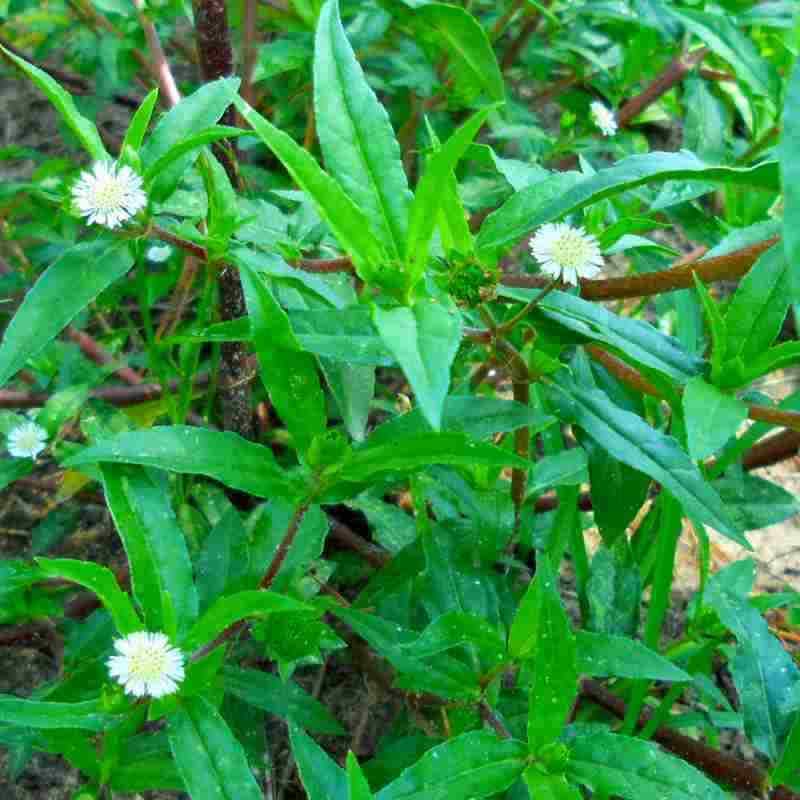 Ingredient 6: Eclipta prostrata /Bhringraj
Eclipta prostrata /Bhringraj
strengthen roots of hair, promote hair growth, and prevent premature graying of hair
Eclipta prostrata, the false daisy, is a species of plant in the family Asteraceae. It is widespread across much of the world.
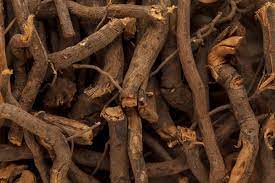 Ingredient 7: Plumbago zeylanica / Chitrak
Plumbago zeylanica / Chitrak
boost digestion, stimulate metabolism, and manage respiratory and inflammatory conditions
Plumbago zeylanica, commonly known as Ceylon leadwort, doctorbush or wild leadwort, is a species of plumbago with a pantropical distribution. Carl Linnaeus described the paleotropical P. zeylanica and Neotropical P. scandens as separate species, but they are currently considered synonymous.
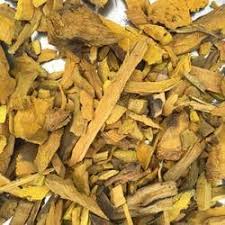 Ingredient 8: Berberis aristata / Daruhaldi
Berberis aristata / Daruhaldi
ntimicrobial, anti-inflammatory, and antioxidant properties, regulates blood sugar, supporting liver function, and treating various skin conditions and digestive issues
Berberis aristata, also known as Indian barberry, Mara manjal (மரமஞ்சள்), chutro, sumba, sumbal Daruharidra, or tree turmeric, is a shrub belonging to the family Berberidaceae and the genus Berberis. B. aristata is native to the Himalayas in India and in Pakistan and in Nepal. It is also naturally found in the Nilgiri Mountains of southern India and in Sri Lanka.
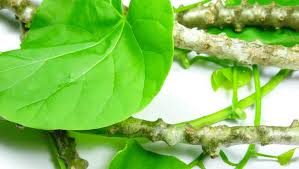 Ingredient 9: Tinospora cordifolia / Giloy
Tinospora cordifolia / Giloy
mmunity booster to fight infections, manage fevers (such as dengue or chronic ailments), improve digestion, and reduce joint inflammation
Tinospora cordifolia, guruchi, guduchi, amrita, or the heart-leaved moonseed, is a herbaceous vine of the family Menispermaceae native to South and Southeast Asia. It has been used in Ayurveda in an attempt to treat various disorders.
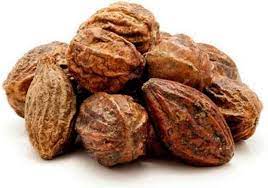 Ingredient 10: Terminalia chebula / Harde
Terminalia chebula / Harde
digestive, detoxifying, and rejuvenating properties, Respiratory Health
Terminalia chebula, commonly known as black- or chebulic myrobalan, is a species of Terminalia, native to South Asia from India, Pakistan and Nepal east to southwest China (Yunnan), and south to Sri Lanka, Malaysia, and Vietnam.
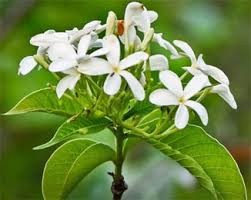 Ingredient 11: Holarrhena antidysenterica / Kutaj
Holarrhena antidysenterica / Kutaj
astringent, antimicrobial, and anti-diarrheal properties. It is primarily used to manage gut-related issues like diarrhea, dysentery, and Irritable Bowel Syndrome.
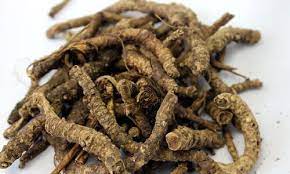 Ingredient 12: Picrorhiza kurroa / Kutki
Picrorhiza kurroa / Kutki
hepatoprotective (liver-protecting) and anti-inflammatory properties. It is primarily used to manage liver disorders (like jaundice and hepatitis), boost immunity, improve digestion, and soothe inflammatory conditions such as rheumatoid arthritis.
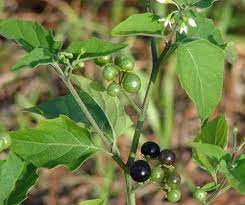 Ingredient 13: Solanum nigrum / Makoy
Solanum nigrum / Makoy
anti-inflammatory, hepatoprotective, and diuretic properties.
Solanum nigrum, the European black nightshade or simply black nightshade or blackberry nightshade, is a species of flowering plant in the family Solanaceae, native to Eurasia and introduced in the Americas, Australasia, and South Africa. Ripe berries and cooked leaves of edible strains are used as food in some locales, and plant parts are used as a traditional medicine. Some other species may also be referred to as "black nightshade".
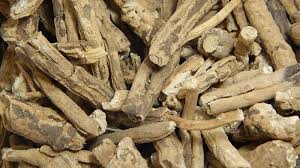 Ingredient 14: Operculina turpethum / Nishoth
Operculina turpethum / Nishoth
manage chronic constipation, promote weight management, and cleanse the body of accumulated toxins
Operculina turpethum is a species of plant in the morning glory family, known commonly as turpeth, fue vao, and St. Thomas lidpod.
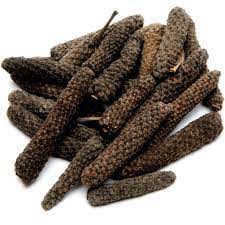 Ingredient 15: Piper
Piper
treat respiratory conditions, improve digestion, and manage pain
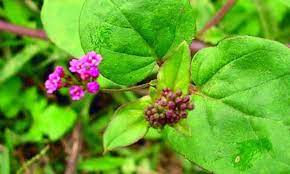 Ingredient 16: Boerhavia diffusa / Punarnava
Boerhavia diffusa / Punarnava
support kidney function, reduce fluid retention (edema), protect the liver, and manage joint pain
Boerhavia diffusa is a species of flowering plant in the four o'clock family which is commonly known as punarnava, red spiderling, spreading hogweed, or tarvine. It is taken in herbal medicine for pain relief and other uses. The leaves of Boerhavia diffusa are often used as a green vegetable in many parts of India.
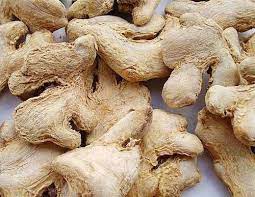 Ingredient 17: Zingiber officinale / Sonth ( dried ginger powder)
Zingiber officinale / Sonth ( dried ginger powder)
soothing digestive issues, relieving cold and cough symptoms, and reducing inflammation
Ginger is a flowering plant whose rhizome, ginger root or ginger, is widely used as a spice and a folk medicine. It is an herbaceous perennial that grows annual pseudostems about one meter tall, bearing narrow leaf blades. The inflorescences bear flowers having pale yellow petals with purple edges, and arise directly from the rhizome on separate shoots.
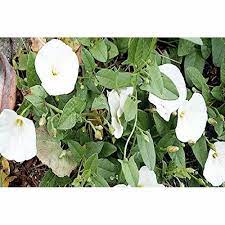 Ingredient 18: Convolvulus pluricaulis / Shankhpushpi
Convolvulus pluricaulis / Shankhpushpi
natural brain tonic that supports cognitive function and calms the nervous system
Convolvulus prostratus is an herb found in India and Burma that is used in Ayurveda. In Ayurveda it is known as shankhpushpi and the preparation shankapushpi is, according to most sources, identical with Convolvulus prostratus, but some say shankapushpi is instead Clitoria ternatea (अपराजिता). Some also say Shankhapushpi is Evolvulus alsinoides, which is another plant of the same family. It has been used traditionally as a brain tonic and is believed to help a wide range of issues. It is believed to have demonstrated potential for anxiolytic, relaxant, and anti-obsessive effects, as well as nootropic effects.
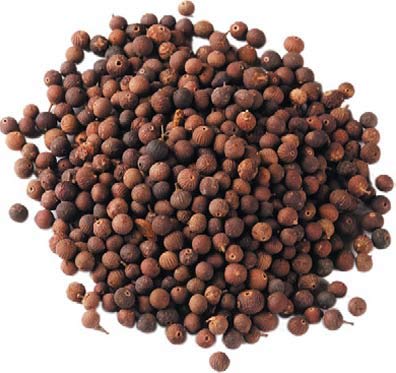 Ingredient 19: Embelia ribes / Vaividang
Embelia ribes / Vaividang
naturally expel intestinal worms, improve gut health, support weight loss, and detoxify the body
Embelia ribes, commonly known as false black pepper, white-flowered embelia, viḍaṅga, vaividang, vai vidang, or vavding is a species of flowering plant in the family Primulaceae. It was originally described by Nicolaas Laurens Burman in his 1768 publication Flora Indica. It is widely distributed throughout India. In Cambodia, it is called Chu Preuk or Sangkong [ជូរព្រឹក/សង្កុង). In Ayurveda and Siddha, it is considered widely beneficial in a variety of diseases In particular embelin isolated from dried berries of Embelia ribes has a wide spectrum of biological activities.
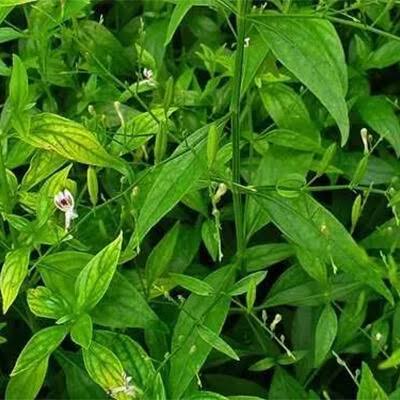 Ingredient 20: Andrographis paniculata. / Kalmegh
Andrographis paniculata. / Kalmegh
treat respiratory infections, support digestion, and detoxify the liver.
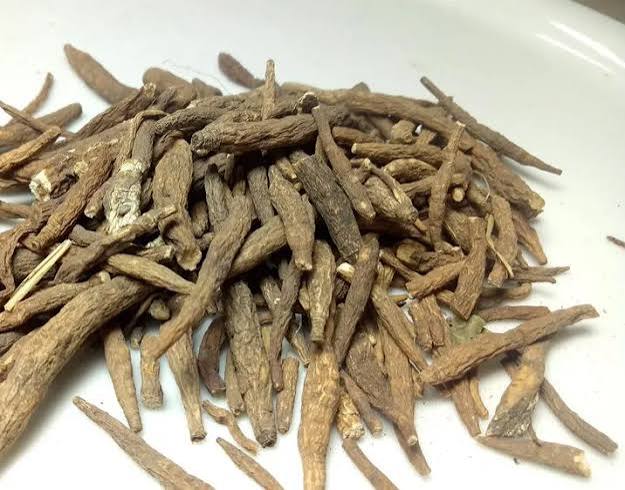 Ingredient 21: Aconitum heterophyllum / Ativisha
Aconitum heterophyllum / Ativisha
Treating pediatric ailments, digestive issues, and respiratory infections. It possesses natural antibacterial, antipyretic, and anti-inflammatory properties.
Aconitum heterophyllum, also called atish/atis/patis/ativish/atvika, is a species of flowering plant in the genus Aconitum. It is used in Indian systems of traditional medicine including Ayurveda and called विषा or अतिविषा in Sanskrit.
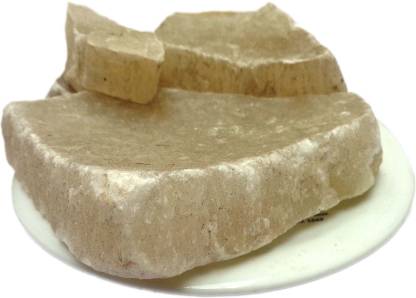 Ingredient 22: Ammonii chloridum / Nausadar
Ammonii chloridum / Nausadar
Nausadar is used as an expectorant to loosen phlegm, clear respiratory congestion, and soothe coughs. It also stimulates digestion, relieves bloating, and acts as a mild diuretic.
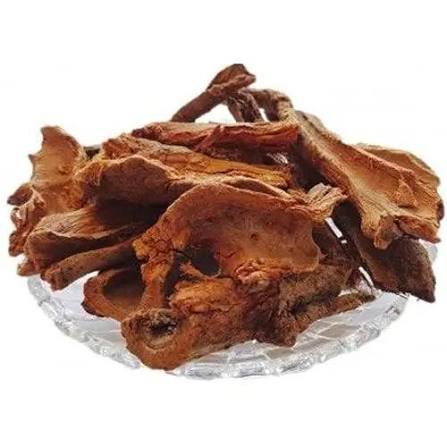 Ingredient 23: Tecomella undulata / Rohitak
Tecomella undulata / Rohitak
Used for liver and spleen protection, managing digestive disorders, and blood detoxification.
Tecomella undulata is a tree species found in Oman and from southwest Iran to northwest India. It is the only species in the monotypic genus Tecomella. It is a medium-sized tree that produces quality timber and is the main source of timber amongst the indigenous tree species of desert regions of Shekhawati and Marwar in the Indian state of Rajasthan where it is locally known as rohida and serves as the state symbol. The trade name of the tree species is desert teak or Marwar teak. The trade name of the tree species is desert teak or Marwar teak.
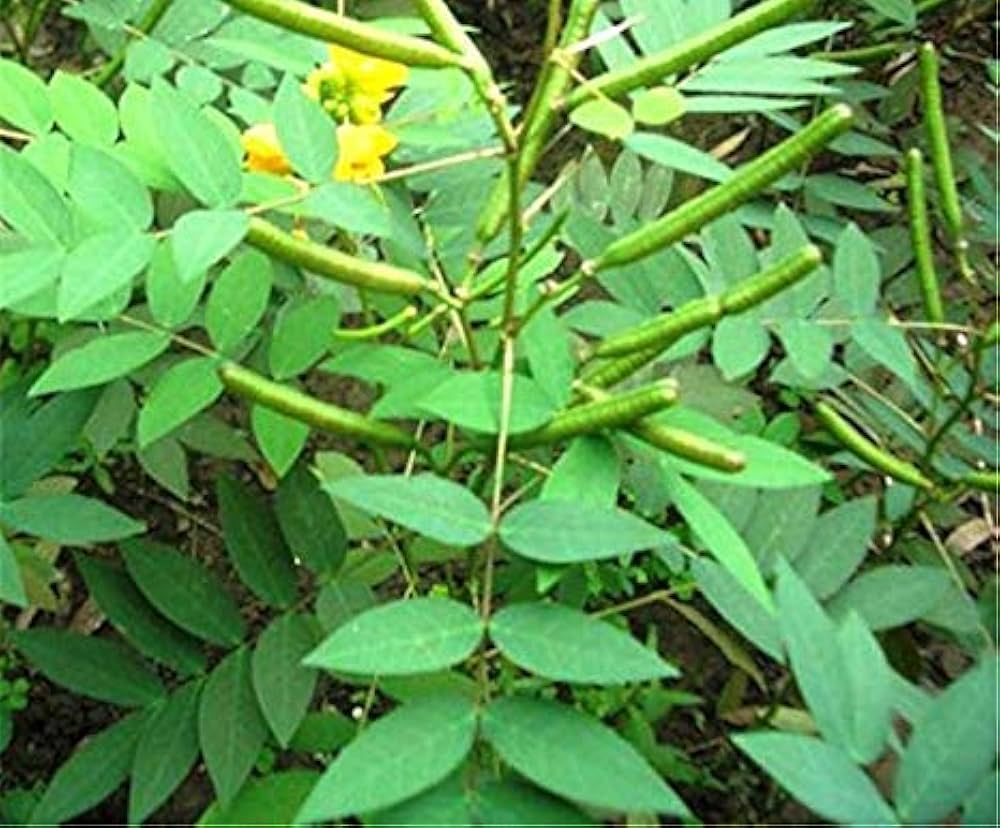 Ingredient 24: Cassia occidentalis / Kasondi
Cassia occidentalis / Kasondi
Anti-allergic properties traditionally used to manage symptoms of asthma, bronchitis, and persistent coughs. Leaves is frequently applied to the skin to heal wounds, treat eczema, and prevent microbial infections. Used to stimulate digestion, relieve constipation, and support natural body detoxification
Senna occidentalis, commonly known as coffee senna, styptic weed, or septicweed, is a species of flowering plant in the family Fabaceae and is native to the southern United States of America, Mexico and South America. It is a shrub with pinnate leaves, with three to seven pairs of broadly elliptic to egg-shaped leaflets, and yellow flowers arranged in groups of two to four, with six fertile stamens in each flower. It is an aggressive, pantropical weed.
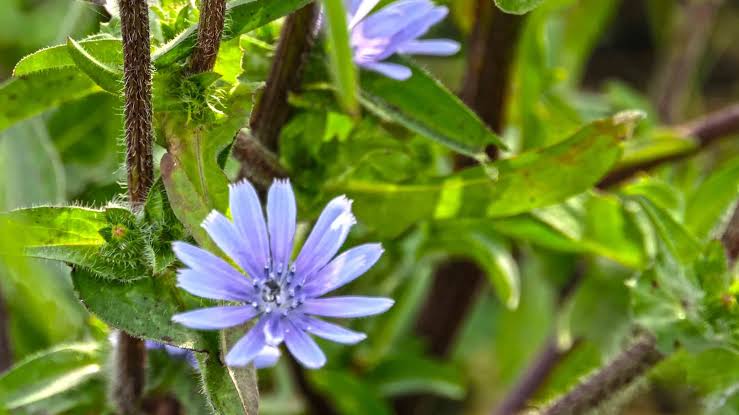 Ingredient 25: Cichorium intybus. / Kasni
Cichorium intybus. / Kasni
Traditionally used to reduce liver inflammation, manage jaundice, and support bile production for detoxification. Acts as a prebiotic fiber (inulin) to promote healthy gut bacteria, improve appetite, and relieve constipation. Helps regulate glucose levels and prevents sudden sugar spikes. High in fiber, it promotes a feeling of fullness and helps manage cravings. Possesses antioxidant properties helpful in reducing arthritis pain and joint swelling. For sore throats and bronchial allergies.
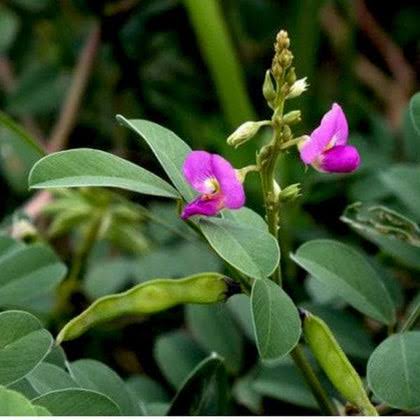 Ingredient 26: Sharpunkha / Tephrosia purpurea.
Sharpunkha / Tephrosia purpurea.
Jaundice, hepatitis, and splenomegaly. Bloating, indigestion, and acidity by stimulating digestive enzymes. Eczema, skin eruptions, and promote wound healing. Blood purifier, Cough and cold. It also acts as an anti-inflammatory and boosts overall immunity.
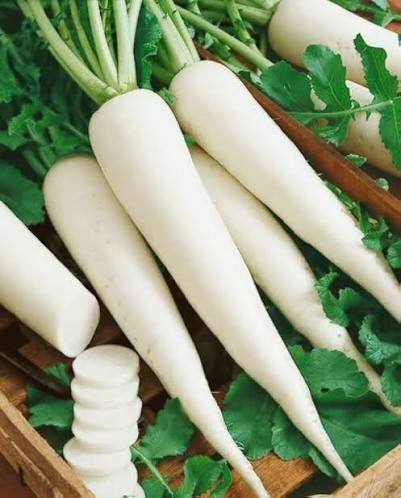 Ingredient 27: Raphanus sativus / Mooli
Raphanus sativus / Mooli
Rich in antioxidants that fight free radicals, delay aging, and hydrate the skin. Vitamin C to fight infections and clear throat congestion. Natural prebiotic and is a kidney cleanser that stimulates bile production to help flush out toxins. Clear throat congestion.
The radish is a flowering plant in the mustard family, Brassicaceae. Its large taproot is commonly used as a root vegetable, although the entire plant is edible and its leaves are sometimes used as a leaf vegetable. Originally domesticated in Asia, radishes are now grown and consumed globally. The radish is sometimes considered to form a species complex with the wild radish and instead treated as the subspecies Raphanus raphanistrum subsp. sativus.